







Brain Impact Neuroscience highlights its method for assessing the emotional effects of cosmetic products, using advanced brain imaging technologies.
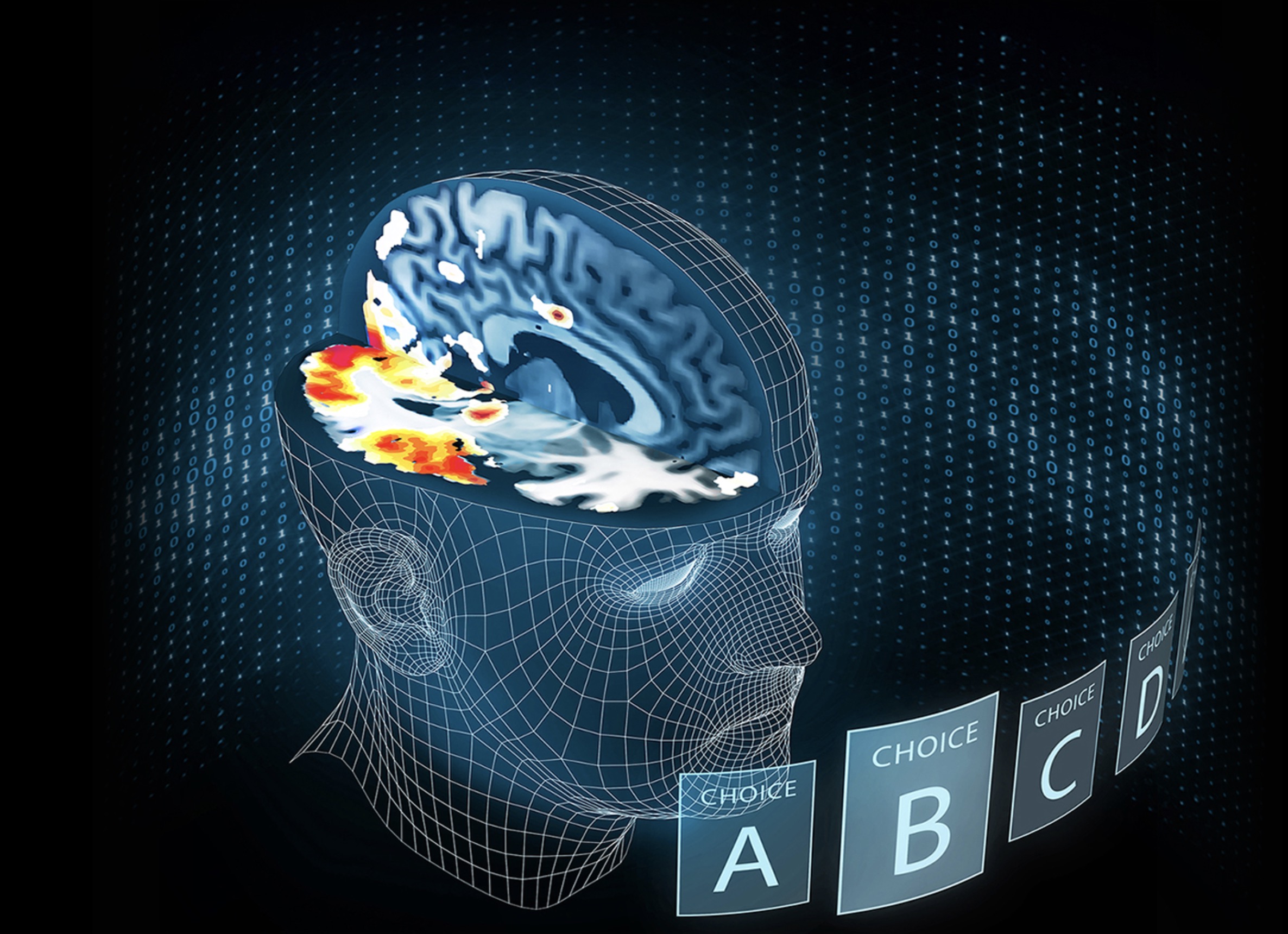
At a time when sensory and emotional experiences influence consumers' purchasing decisions, Brain Impact Neuroscience is positioning itself as an expert in assessing the emotional benefits of cosmetic products. The company uses functional magnetic resonance imaging (fMRI) to provide objective, measurable evidence of the neural responses generated by products.
An in-depth analysis of emotions
Brain Impact Neuroscience's methodology provides a detailed understanding of consumers' perceptions and emotional reactions to cosmetics. Thanks to the analyses carried out, R&D teams and marketing departments can orient their choices of formulations, textures and fragrances based on precise emotional responses. At Cosmoprof Worldwide Bologna, the company will be presenting use cases illustrating the measurement of emotional attachment and user well-being. These demonstrations are made possible by advanced algorithms that analyze the data collected.
By integrating brain data into a multimodal model enhanced by artificial intelligence, Brain Impact Neuroscience stands out for its innovative approach. This expertise was recognized at the‘Cosmetic 360 event in Paris, underlining the growing role of neuroscience in the evolution of the cosmetics industry.
An innovative approach to cosmetics
Founded in 2008, Brain Impact Neuroscience is a Belgian scale-up specializing in assessing the emotional effects of cosmetics and fragrances. Research shows that certain fragrances can have a lasting impact on brain activity, even after exposure. What's more, on a collective level, a scent can promote the synchronization of brain activity between several individuals sharing a similar emotional experience, particularly when this experience is negative.
This research is also being extended to other sectors, such as the agri-food and automotive industries, proving that neuroscientific insights can transform not only cosmetics but other fields in search of consumer engagement. The ability to quantify the impact of products' sensory properties, such as texture, on pleasure and well-being opens up new perspectives for R&D teams.